
Technical Services
Full-lifecycle COPV services under one roof.
HEI delivers analysis, design, damage tolerance engineering, prototype development, testing, and regulatory certification — all in-house. Jump to any discipline:
Technical Overview
HEI capability summary.
Analysis
- State of the Art, Finite Element
- Orthotropic Material Characteristics
- Non-Linear Materials & Deflections
- Closed Form Analysis
Design Services
- Thick/Thin Wall Structures
- Hybrid Materials & Fibers
- Cycle/Fatigue Critical
- Safe Failure Modes (Zero Fragmentation)
Development
- High Performance Vessels & Structures
- Prototyping & Design of Experiments
- Hydrogen Storage (10,000 psi / 70 MPa)
- Cryogenic Applications (Patent Pending)
Testing
- Full Instrumentation Capability
- Ultimate Pressure Capacity — 30,000 psi
- Pressure / Cycle Critical Programs
- Bonfire & Gunfire Testing
Manufacturing
- Quality Control Implementation
- Wet / Tow-Preg Winding
- Prototype / Qualification / Production
- See Manufacturing page →
Gas Storage & Certification
- Natural Gas · Hydrogen · Oxygen
- Cryogenic Systems
- DOT / TÜV / CE / KHK / CNSCPV
- Transport Canada
Analysis Services
Finite element and closed-form analysis for complex COPV geometries.
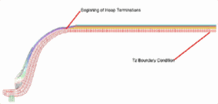
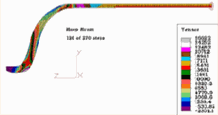
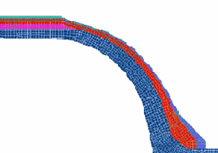
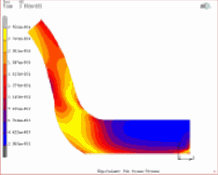
- State-of-the-art finite element programs for complex geometries and load scenarios
- Orthotropic material characterization
- Non-linear material responses
- Stress, strain, displacements, stiffness analysis
- Closed-form analysis
Design Services
From liner geometry to full composite structure.
- Design of composite cylinders and structures
- CNG & hydrogen fuel cell cylinder designs
- Design guidelines and recommendations
- Commercial and aerospace composite structures
- Thick/thin wall, hybrid materials and fibers
- Cycle/fatigue critical and safe failure mode designs

Damage Tolerance
Benign-failure-mode technology for ballistic survivability.
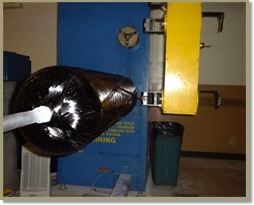
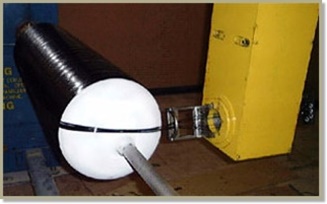
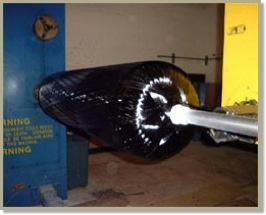
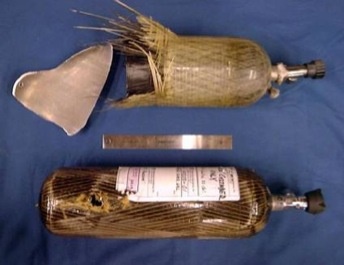
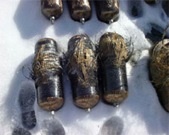
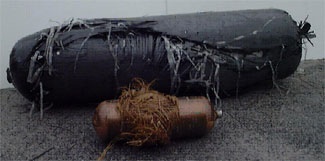
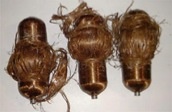
HyPerComp has developed a "benign-failure-mode" capability which greatly reduces the likelihood of catastrophic pressure vessel failures resulting in injury or death. This technology has demonstrated the ability of a composite pressure vessel to survive the impact of a .50-caliber bullet round at 4,500 psi.
The benefit of such a capability is readily evident in the form of increased safety for all users of high-pressure fuel and oxygen storage who must operate in an environment exposing them to ballistic and other impact hazards. The decreased risk of injury due to fragmentation, explosion, and "sympathetic detonation" of highly pressurized storage cylinders is of great potential benefit for the military across the board.
NASA-Licensed Technology
NASA granted HyPerComp Engineering exclusive licensing rights for this ballistic-survivable "Robust" pressure vessel technology — available for further licensing to qualified defense and industrial customers.
Development & Prototype
From concept to qualified prototype vessel.
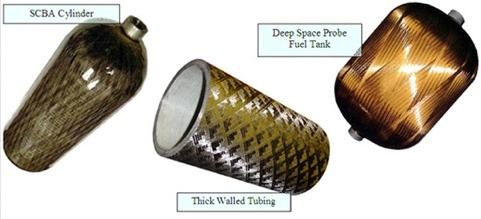
HEI has significant experience in filament winding both thick and thin-walled high-pressure composite cylinders and tubular structures for many varied applications. Our cylinder solutions encompass Type 2, Type 3, and Type 4 composite pressure vessels — the vast majority of current market applications and requirements.
HEI will analyze, design, develop, and manufacture prototype composite cylinders and other composite parts for customers. Prototype services include full burst and cycle qualification testing in-house.
In-House Prototype Capabilities
- Large and small 4-axis filament winding machines
- Large curing ovens
- Hydrostatic burst equipment to ~30,000 psi
- Full instrumentation: strain, pressure, temperature
- Hydrogen storage systems (10,000 psi / 70 MPa)
- Cryogenic applications (Patent Pending: Robusticity)
Testing Services
In-house qualification and characterization testing.
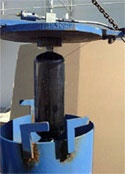
- Hydrostatic burst testing
- Strain instrumentation
- High-speed data acquisition
- Bonfire and gunfire testing
Certification
Multi-jurisdiction regulatory certification services.
HEI specializes in design, development, testing, and certification services for a customer's relevant regulatory standard, code, and governing agency. Typical regulatory standards include NGV and ISO, as well as codes designated by the world's regulatory agencies:
HEI has long-standing relationships with the Independent Inspection Agencies that play a critical role in ensuring successful certification. A typical sampling of certification tests:
- Bare liner burst test
- Hydrostatic burst test
- Pressure cycle fatigue testing
- Environmental exposure (temperature, UV, chemical)
- Impact / drop test
- Bonfire / fire exposure testing
- Permeation / leak testing





Discuss your technical requirements with HEI.
Call, email, or submit your specifications directly. We'll respond the same business day.