History
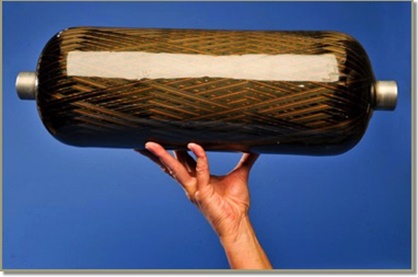
Founded in 1996 by its President, James Patterson, HyPerComp Engineering Inc. (HEI) specializes in the design, analysis, development, testing, manufacture, and certification of filament-wound high-pressure composite vessels for diverse applications. Innovation is HEI's core competence, rooted in our heritage on the cutting edge of the space composites industry — distinguishing us as a leader in breakthrough technologies for lighter, stronger, and safer pressure vessels and structures.
Our customers benefit from HEI's close relationships with and ready access to leading COPV industry participants: material and machinery suppliers, independent testing agencies, regulatory agencies, and aerospace and automotive OEM supply chains. The result for the client is a flexible, experienced, and innovative source for even the most challenging requirements.
HEI's innovative capabilities span many decades of composite vessel experience — from simple testing and analysis to full-service turnkey new product design, development, and certification.
Expertise
We know composite pressure vessels. Our base of experience spans many decades and many diverse applications. Our customers know their market needs and product requirements — when we work together as a team, we bring a comprehensive suite of services ranging from simple testing and analysis to full-service turnkey new product design, development, and certification.
HEI's cylinder solutions include specialization in Type 2, Type 3, and Type 4 composite pressure vessels, which encompass the vast majority of current market applications and requirements. Our expertise in filament winding encompasses both thick and thin-walled high-pressure composite cylinders and tubular structures.
Facility
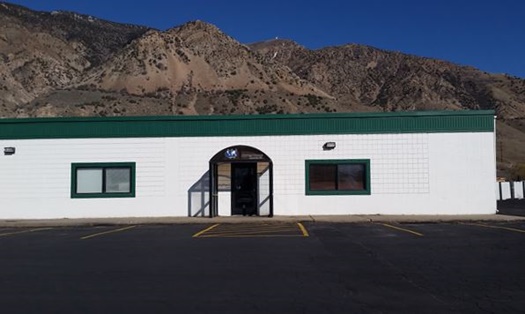
HyPerComp is located in Brigham City, Utah — approximately one hour north of Salt Lake City, just off Exit 365 of Interstate 15. Our facility includes large and small 4-axis filament winding machines, large curing ovens, and hydrostatic burst equipment with internal pressure capacity up to approximately 30,000 psi, including full instrumentation capabilities (strain, pressure, temperature).